How to Physically Prepare for an Arizona Big Game Hunt
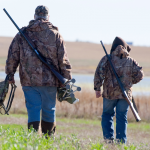
Most hunters spend months thinking about gear, scouting units, and researching the animals they’re after. Far fewer spend that same energy thinking about whether their body is ready for what’s coming.
That’s a mistake, and it’s one of the most common reasons a hunt goes sideways.
Arizona is not a forgiving state to hunt. The terrain ranges from high-elevation mountain units where the air thins out fast to low desert country that will drain you before noon. Regardless of what you’re after, elk, mule deer, Coues deer, bear, or antelope, your body is going to be asked to do more than most people anticipate. The hunters who show up physically ready have better experiences, make better decisions, and recover faster between long days.
Here’s how to get there.
Start Earlier Than You Think You Need To
The most common mistake hunters make with physical preparation is starting too late. A few weeks of walking before your hunt date isn’t going to cut it. You need to start your conditioning program at least 12 weeks before the season to give your body enough time to adapt. Twelve weeks is a reasonable minimum. Longer is better.
Your body needs time to build the kind of endurance and leg strength that holds up over consecutive hard days in the field. You can’t compress that process into a few weeks no matter how hard you push. Start early, build gradually, and arrive at your hunt date with a foundation rather than a last-minute scramble.
Hike. Then Hike More.
You can do a lot of things to get ready for a hunt, but nothing prepares you for hiking like hiking. The best exercise is simply putting on a weighted pack and getting out on the trail. Everything else is supplementary.
If you have access to hills, use them. If you don’t, find stairs and use those. The goal is to get your legs, lungs, and hips accustomed to moving under load over uneven ground for extended periods. That’s what hunting actually asks of you, so that’s what your training should reflect.
Start with a lighter pack and build the weight over time. Begin with a pack weighing roughly a tenth of your body weight and work up toward a quarter of your body weight as your conditioning improves. By the time you’re a few weeks out from your hunt, you should be comfortable covering several miles of rough terrain with a loaded pack and still feel like you have something left in the tank.
Build Leg and Core Strength
Cardio endurance matters, but so does functional strength, especially in your legs and core. Arizona hunting means climbing, descending, and stabilizing yourself across rocky and uneven ground for hours at a time. Weak legs and a soft core will give out on you, and they’ll do it at the worst possible moment.
Squats, lunges, and step-ups build the kind of leg strength that translates directly to hillside work. Core exercises like planks, deadlifts, and carries help you stay stable under a loaded pack and reduce the risk of back pain that sidelines a lot of hunters mid-trip. Upper back work like rows also pays off when you’re carrying a pack for hours or holding a rifle steady after a long climb.
You don’t need a complicated program. Bodyweight movements done consistently over several months will get most hunters to where they need to be. Start with basics like lunges, air squats, step-ups, and walking, then work your way up to weighted training and higher intensity sessions as your body adapts.
Train in the Gear You’re Actually Going to Hunt In
This one gets overlooked. Your boots, your pack, your layers, all of it needs to be broken in and field-tested before you’re standing at a trailhead at 4 a.m. New boots on day one of a multi-day hunt are a fast track to blisters that will affect every step you take for the rest of the trip.
Load your pack with the gear you plan to carry and use your training hikes to fine-tune fit, adjust straps, and get comfortable with the load. This also tells you early if something isn’t working, a hot spot on your heel, a pack that rides wrong, a layer that doesn’t breathe the way you need it to. Better to find that out on a training hike than on day two of your elk hunt.
Don’t Ignore the Elevation Factor
If you’re hunting one of Arizona’s high-country units, and many of the best elk units sit well above 7,000 feet, elevation is going to affect you if you’re not used to it. Thin air means your cardiovascular system works harder for the same effort. People who live at lower elevations often feel this more than they expect, especially on the first day or two.
There’s no perfect workaround for this if you can’t train at elevation, but arriving a day or two early before you’re expected to perform can help your body begin adjusting. Staying well hydrated from the moment you arrive also matters more at altitude than most people realize.
Pay Attention to What You’re Eating
Training hard and eating poorly is a losing combination. Protein-rich foods help build muscle and support recovery from tough workouts, while whole grains, fruits, and vegetables provide the sustained energy you need for long training sessions. The same principles carry over into the field. Pack food that fuels you through long days, not food that spikes your energy and drops it two hours later.
Hydration is just as important. Get into the habit of drinking frequently during your training hikes so that staying on top of water intake becomes second nature before you’re out in Arizona heat.
The Mental Side of It
Physical preparation and mental preparation are more connected than most people acknowledge. When your body is ready, your head is clearer. You make better decisions when you’re not managing exhaustion. You stay patient during the long, slow hours that every hunt has. You recover overnight and show up to the next day ready to go again.
Get comfortable with discomfort during training. Push through long hikes, finish tough workouts, and practice staying calm when you’re tired. The field will ask all of that of you at some point. The hunters who handle it best are the ones who’ve already been there in training.
Show Up Ready
A big game hunt in Arizona is an experience worth preparing for properly. The terrain, the elevation, the consecutive days of hard physical work, it adds up in ways that catch unprepared hunters off guard. The good news is that none of this requires an extreme fitness background. It requires consistency, a realistic timeline, and the willingness to put in the work before your hunt date.
Get out and walk. Build your miles. Load your pack. Show up ready to hunt, not just ready to try.
Bars Hunting Service has scouted Arizona big game for hunters since 2002, with one-on-one packages available for elk, bear, deer, antelope, mountain lion, javelina, turkey, and waterfowl. To learn more or talk through what hunt is right for you, reach out directly at marco@barshuntingservice.com or 928-821-1192
