Uncategorized
How to Read Fresh Sign in the Field
The field often tells a story before you ever see the animal. A track in soft ground can reveal recent movement, and a subtle disturbance can point to activity that happened when you were not there.
Learning to read fresh sign helps you understand what animals are doing and how they are using the landscape. Instead of covering ground without a clear direction, you can use these clues to focus your scouting and make better use of your time in the field.
Start With the Condition of the Sign
Fresh signs tend to have sharper details than older signs. A track may have clearer edges when it was made recently, but exposure to weather gradually softens its appearance.
Other signs also change over time. Fresh droppings may retain more moisture and shape. Older ones tend to become drier and harder. Weather and ground conditions can affect how quickly these changes occur.
The surrounding ground can help you judge how recent the activity may be. Consider recent weather and changes to the terrain rather than relying on the appearance of one sign alone.
Learn to Recognize Tracks
Tracks can reveal where an animal has traveled and which direction it was moving. Look closely at the shape and clarity of each print, then consider how the tracks connect across the area. A series of tracks can provide more information than a single print. The spacing between them may indicate how the animal was moving, while changes in the trail can show how it responded to the terrain.
The location of the tracks also matters. A trail through a particular part of the landscape may indicate a route the animal uses to move between different areas. Look beyond the prints themselves to understand why the animal may be traveling there.
Look for Feeding Sign
Feeding activity can leave noticeable changes in the vegetation and ground. Look for signs that indicate an animal has recently been using an area to feed. Consider how the feeding sign fits with the surrounding habitat. Repeated activity in one area may indicate that it is an important feeding location rather than a place the animal simply passed through.
The condition of the vegetation can also help you judge when the activity occurred. Freshly disturbed plants tend to look different from those that have been exposed to the elements for longer periods. Examine the damaged areas and surrounding vegetation to assess how recent the sign may be.
Pay Attention to Bedding Areas
Bedding areas can show where an animal has been resting. A fresh bed may leave a clear impression in the ground or surrounding vegetation, giving you another clue about recent activity.
One depression alone does not confirm regular use. Examine the surrounding area and consider how the location fits the terrain. A bedding area is more meaningful when other signs support the same pattern.
Tracks leading toward or away from a bedding area can provide additional context. Together, these clues can help you understand how an animal is moving through the area and where it may be spending time.
Check Rubs and Other Vegetation Damage
Rubs can indicate recent animal activity and may show that an animal has moved through an area. Look at the condition of the disturbed surface to determine whether the marking appears recent or weathered.
The location of the rub can provide additional context. Consider how it relates to nearby terrain and other signs of movement. Several markings along the same route may indicate that the area sees regular animal activity.
Weather can change the appearance of a rub, so its condition alone cannot establish exactly when it was made. Compare it with other fresh signs nearby to build a more reliable picture of activity.
Follow Sign Through the Terrain
Once you identify fresh sign, follow the pattern instead of moving randomly through the area. Pay attention to where the tracks lead and how they interact with the surrounding terrain.
Natural features can influence how animals move through an area. When fresh sign follows a particular feature, it can help reveal a route that deserves closer attention.
The direction of the tracks can also provide useful information about where the animal may be headed. Follow the trail and look for additional signs as the terrain changes. This can help turn individual clues into a clearer picture of movement.
Consider Water and Food Sources
Water can influence where animals travel, especially when sources are limited. Fresh tracks near water may indicate recent activity, though they do not necessarily mean an animal is still nearby. Pay attention to the routes around the water source. Repeated tracks can help identify areas that receive regular use and show how animals move through the surrounding terrain.
Food sources can provide similar clues. When fresh feeding signs appear near water or cover, it may be part of a larger movement pattern. Looking at these connections can give you a better understanding of how animals use the area.
Use Multiple Clues Together
One of the most important skills in reading sign is learning not to rely on a single piece of evidence. A track can show that an animal passed through, but additional sign can provide context about its movement and how it used the area.
Look for connections between different types of sign. Tracks may lead toward a feeding area, or feeding activity may appear near cover. A bedding location may also sit along the same travel route. When several clues support the same movement pattern, you can have more confidence in your interpretation.
Comparing multiple signs can also help prevent mistakes. An old sign may look convincing when viewed on its own. Looking at the surrounding evidence makes it easier to determine whether you are seeing current activity or an older pattern.
Pay Attention to Weather
Weather can change the appearance of a sign quickly. Rain may soften tracks or wash away details, and wind can cover impressions with loose material. Dry conditions may preserve certain signs for longer.
Recent weather can also help establish a general timeline. If you know when the last significant rain occurred, a clear track with little evidence of weathering may suggest it was made afterward. It will not provide an exact timestamp, though it can help narrow the possibilities.
Temperature and ground conditions also affect what you see. Hard ground may produce shallow tracks, whereas softer soil can create deeper impressions. Consider the condition of the surface before judging the depth or clarity of a track.
Read the Whole Area
A fresh sign becomes more useful when you consider the landscape around it. Look at how the terrain may support animal movement, then compare those features with the sign you have found.
Scouting should build a clearer picture over time. A single track may not tell you much, but a series of connected signs can reveal a consistent movement pattern. With practice, patterns become easier to recognize. Spending time examining signs in different terrain can help you distinguish recent activity from older evidence.
Improve Your Field Awareness
Learning to read fresh signs takes observation and practice. Take time to examine each clue and consider what it reveals about the animal’s recent activity. As you gain experience, it becomes easier to recognize patterns in the field. You can better understand how animals move through an area and where they spend their time.
Good scouting comes from connecting these observations to build a clearer picture of animal movement. For experienced guidance on your next Arizona hunt, contact Bars Hunting Service at 928-821-1192 to learn more about its scouting and hunting services.
Why Scouting Before the Hunt Is Just as Important as the Hunt Itself
Ask any experienced big game hunter what separates a successful trip from a frustrating one and you’ll hear the same answer more often than not: preparation. Specifically, what happened before the hunt ever started.
Scouting doesn’t get nearly the attention it deserves. Hunters spend hours researching gear, dialing in their rifles, and studying unit maps, but the actual time spent learning the land before opening day gets treated as optional. It isn’t.
For big game hunting in Arizona, where the terrain is demanding and the animals are pressured, scouting is often the deciding factor between seeing game and not seeing it at all. Here’s why it matters so much, and what good scouting actually looks like.
The Land Tells You Things a Map Never Will
Satellite images and topographic maps are useful starting points. They help you identify water sources, terrain features, and likely travel corridors before you ever set foot in a unit. But they only take you so far.
There is no substitute for boots on the ground. Time spent physically walking the land before the season opens gives you information you simply cannot get any other way. How the wind moves through a canyon. Where the shade holds in the afternoon heat. Which water sources are actually being used versus which ones are dry. Where animals are moving and how they’re using the terrain in relation to pressure, food, and cover.
A map shows you the shape of the land. Scouting shows you how animals live on it. Those are two very different things, and only one of them puts you in position to make good decisions when it counts.
You Learn Where Animals Actually Are, Not Where They Should Be
One of the most common mistakes hunters make is assuming animals will be where the habitat suggests they should be. Sometimes that’s true. Often it isn’t. Animals respond to pressure, weather patterns, food availability, and terrain in ways that don’t always match what looks good on paper.
Scouting before the season tells you where animals are actually spending their time right now. Fresh tracks, water sources being used, feeding areas, bedding cover, travel routes between the two. This isn’t information you can guess at or pull from last year’s hunt. It’s current, on-the-ground intelligence that directly shapes your plan for opening day.
The hunters who walk in with that knowledge have a fundamentally different experience than the ones who show up and start figuring it out from scratch.
It Helps You Understand the Terrain Before You’re Tired
There’s a reason experienced hunters talk about knowing their unit the way they know their own neighborhood. When you’ve walked the ground ahead of time, you’re not burning energy on opening day just orienting yourself. You already know which ridges are worth climbing, which drainages funnel animals through, and where the terrain gets technical.
That matters more than people realize. Big game hunting in Arizona is physically demanding. The high-country elk units are steep and unforgiving. The desert units have their own challenges in terms of heat, limited water, and open country that requires long hours on glass. When you’ve already put time into the unit before the season opens, you’re hunting smarter from day one instead of spending the first two days learning country you should have learned months earlier.
Scouting Reveals Details That Change Your Strategy
Good scouting isn’t just about finding animals. It’s about building a complete picture of how to hunt them. Where other hunters are likely to be. Which access points see the most pressure. Where the quiet corners of a unit are that most people walk past.
Pressure is a real factor in Arizona’s most popular units. Animals that get pushed early in the season move, change their patterns, and become harder to find. Knowing the unit well enough to anticipate where pressured animals go is a significant advantage. That knowledge comes from time spent in the field before anyone else shows up.
Scouting also tells you things about logistics. Where to camp, how long approaches actually take on foot versus how they look on a map, where the terrain is going to limit your options. These are the details that turn a rough plan into a workable one.
It’s Ongoing, Not a One-Time Effort
The most effective scouting isn’t a single trip you take a week before opening day. It’s a process that builds over time. Different seasons reveal different things. Early summer shows you where animals are feeding and what the water situation looks like. Later in the summer you start seeing patterns develop. By the time the season opens, a hunter who has been paying attention has a layered understanding of the unit that a single scouting trip can’t replicate.
This is also why local knowledge matters so much. Someone who has hunted a unit across multiple seasons carries information that simply isn’t available anywhere else. They’ve seen how animals use the land across different conditions, different years, and different levels of hunting pressure. That depth of knowledge is one of the most valuable things a good scout brings to a hunt.
What This Means When You Hire a Scout
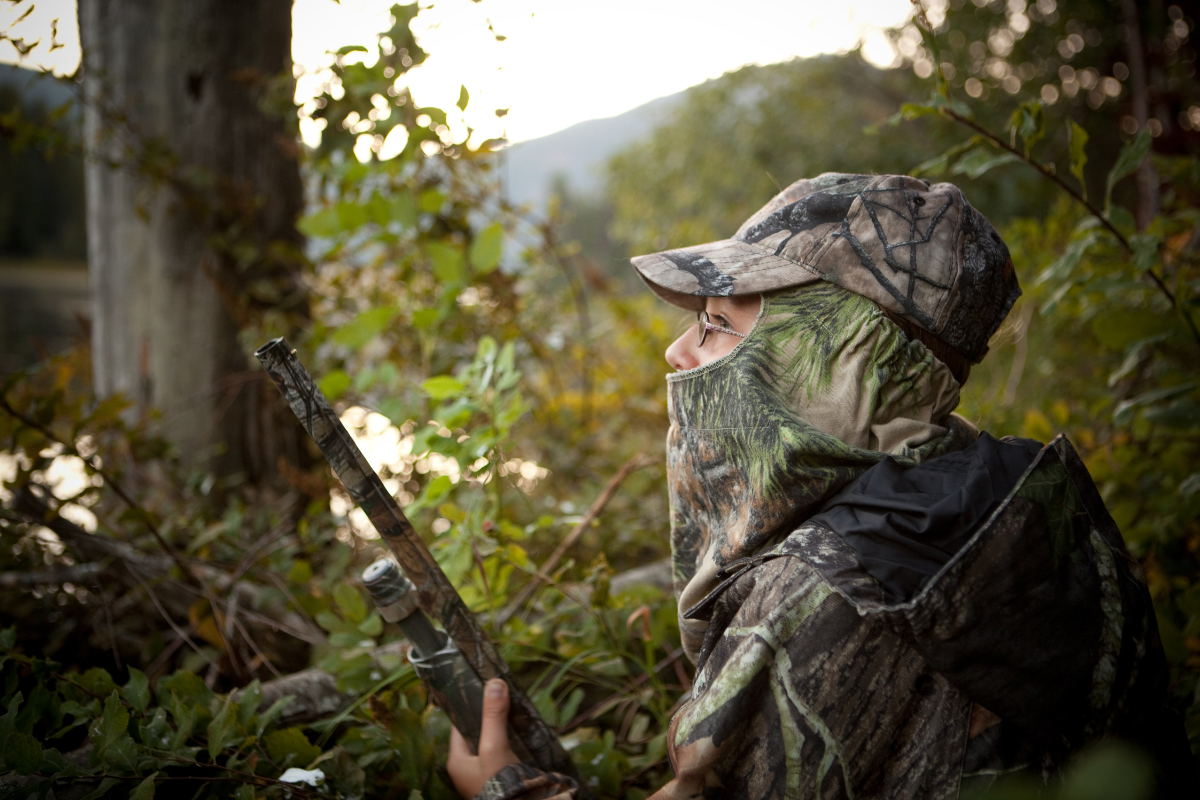
When you book a scouting package, you’re not just hiring someone to walk alongside you in the field. You’re hiring someone whose preparation started long before you arrived.
A scout who takes preparation seriously has already been out in the unit before your hunt date. They’ve located animals, confirmed water sources, identified approach routes, and built a plan based on current conditions rather than last year’s memory. That work is invisible to the client but it’s what makes the difference between a scout who puts you in position to succeed and one who is figuring it out alongside you.
Before you book with anyone, ask them directly about their scouting process. What do they do before the hunt? How recently have they been in the unit? What have they seen? A scout who can answer those questions specifically and in detail is a scout who takes preparation seriously.
At Bars Hunting Service, scouting every unit before accepting a hunt has been part of the process since 2002. Every client benefits from that preparation before they ever set foot in the field.
The Bottom Line
Success in the field is rarely accidental. The hunters who find game consistently, year after year, are the ones who put in the work before the season opens. They know the land. They know where the animals are. They’ve done the homework that most hunters skip.
Scouting is that homework. It’s unglamorous, it takes time, and it doesn’t come with the adrenaline of opening day. But it’s what makes opening day worthwhile.
If you’re planning a big game hunt in Arizona and want to talk through what real preparation looks like, reach out to Bars Hunting Service directly at marco@barshuntingservice.com or by phone at 928-821-1192. Marco has been scouting Arizona big game for hunters since 2002 and is happy to walk you through what a properly scouted hunt actually looks like.
How to Physically Prepare for an Arizona Big Game Hunt
Most hunters spend months thinking about gear, scouting units, and researching the animals they’re after. Far fewer spend that same energy thinking about whether their body is ready for what’s coming.
That’s a mistake, and it’s one of the most common reasons a hunt goes sideways.
Arizona is not a forgiving state to hunt. The terrain ranges from high-elevation mountain units where the air thins out fast to low desert country that will drain you before noon. Regardless of what you’re after, elk, mule deer, Coues deer, bear, or antelope, your body is going to be asked to do more than most people anticipate. The hunters who show up physically ready have better experiences, make better decisions, and recover faster between long days.
Here’s how to get there.
Start Earlier Than You Think You Need To
The most common mistake hunters make with physical preparation is starting too late. A few weeks of walking before your hunt date isn’t going to cut it. You need to start your conditioning program at least 12 weeks before the season to give your body enough time to adapt. Twelve weeks is a reasonable minimum. Longer is better.
Your body needs time to build the kind of endurance and leg strength that holds up over consecutive hard days in the field. You can’t compress that process into a few weeks no matter how hard you push. Start early, build gradually, and arrive at your hunt date with a foundation rather than a last-minute scramble.
Hike. Then Hike More.
You can do a lot of things to get ready for a hunt, but nothing prepares you for hiking like hiking. The best exercise is simply putting on a weighted pack and getting out on the trail. Everything else is supplementary.
If you have access to hills, use them. If you don’t, find stairs and use those. The goal is to get your legs, lungs, and hips accustomed to moving under load over uneven ground for extended periods. That’s what hunting actually asks of you, so that’s what your training should reflect.
Start with a lighter pack and build the weight over time. Begin with a pack weighing roughly a tenth of your body weight and work up toward a quarter of your body weight as your conditioning improves. By the time you’re a few weeks out from your hunt, you should be comfortable covering several miles of rough terrain with a loaded pack and still feel like you have something left in the tank.
Build Leg and Core Strength
Cardio endurance matters, but so does functional strength, especially in your legs and core. Arizona hunting means climbing, descending, and stabilizing yourself across rocky and uneven ground for hours at a time. Weak legs and a soft core will give out on you, and they’ll do it at the worst possible moment.
Squats, lunges, and step-ups build the kind of leg strength that translates directly to hillside work. Core exercises like planks, deadlifts, and carries help you stay stable under a loaded pack and reduce the risk of back pain that sidelines a lot of hunters mid-trip. Upper back work like rows also pays off when you’re carrying a pack for hours or holding a rifle steady after a long climb.
You don’t need a complicated program. Bodyweight movements done consistently over several months will get most hunters to where they need to be. Start with basics like lunges, air squats, step-ups, and walking, then work your way up to weighted training and higher intensity sessions as your body adapts.
Train in the Gear You’re Actually Going to Hunt In
This one gets overlooked. Your boots, your pack, your layers, all of it needs to be broken in and field-tested before you’re standing at a trailhead at 4 a.m. New boots on day one of a multi-day hunt are a fast track to blisters that will affect every step you take for the rest of the trip.
Load your pack with the gear you plan to carry and use your training hikes to fine-tune fit, adjust straps, and get comfortable with the load. This also tells you early if something isn’t working, a hot spot on your heel, a pack that rides wrong, a layer that doesn’t breathe the way you need it to. Better to find that out on a training hike than on day two of your elk hunt.
Don’t Ignore the Elevation Factor
If you’re hunting one of Arizona’s high-country units, and many of the best elk units sit well above 7,000 feet, elevation is going to affect you if you’re not used to it. Thin air means your cardiovascular system works harder for the same effort. People who live at lower elevations often feel this more than they expect, especially on the first day or two.
There’s no perfect workaround for this if you can’t train at elevation, but arriving a day or two early before you’re expected to perform can help your body begin adjusting. Staying well hydrated from the moment you arrive also matters more at altitude than most people realize.
Pay Attention to What You’re Eating
Training hard and eating poorly is a losing combination. Protein-rich foods help build muscle and support recovery from tough workouts, while whole grains, fruits, and vegetables provide the sustained energy you need for long training sessions. The same principles carry over into the field. Pack food that fuels you through long days, not food that spikes your energy and drops it two hours later.
Hydration is just as important. Get into the habit of drinking frequently during your training hikes so that staying on top of water intake becomes second nature before you’re out in Arizona heat.
The Mental Side of It
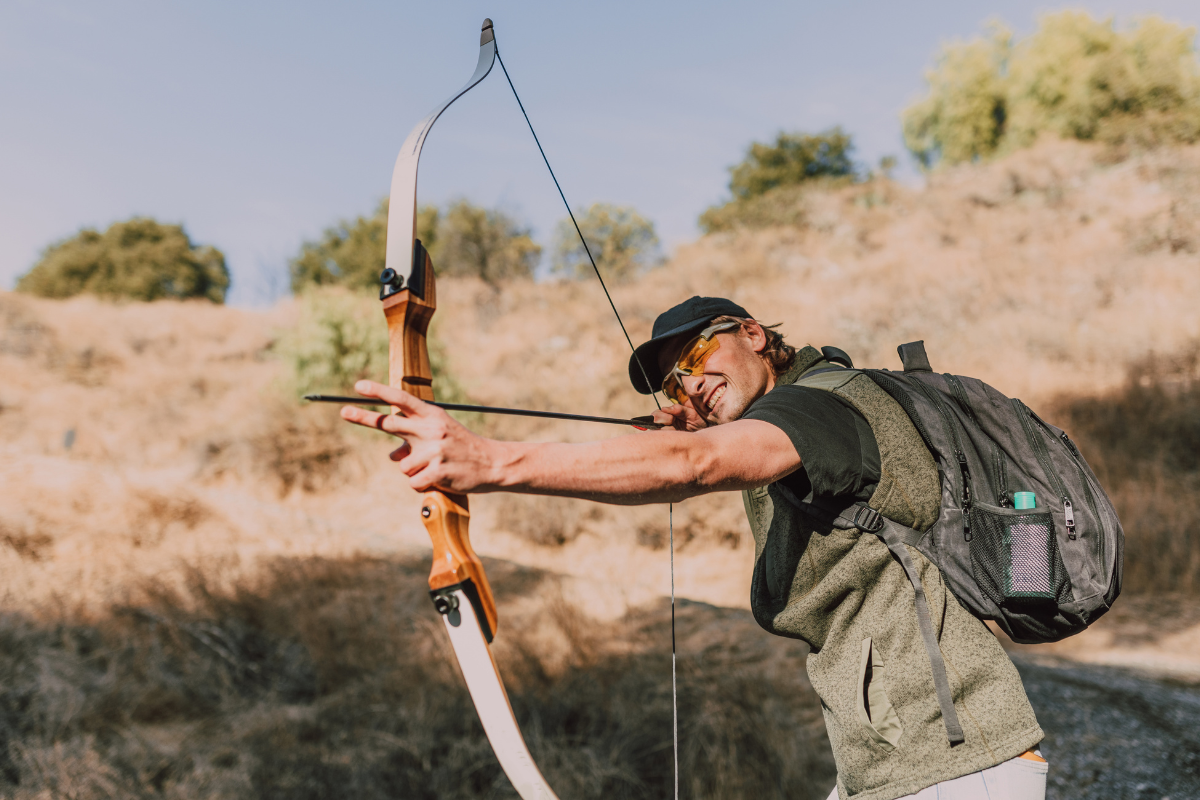
Physical preparation and mental preparation are more connected than most people acknowledge. When your body is ready, your head is clearer. You make better decisions when you’re not managing exhaustion. You stay patient during the long, slow hours that every hunt has. You recover overnight and show up to the next day ready to go again.
Get comfortable with discomfort during training. Push through long hikes, finish tough workouts, and practice staying calm when you’re tired. The field will ask all of that of you at some point. The hunters who handle it best are the ones who’ve already been there in training.
Show Up Ready
A big game hunt in Arizona is an experience worth preparing for properly. The terrain, the elevation, the consecutive days of hard physical work, it adds up in ways that catch unprepared hunters off guard. The good news is that none of this requires an extreme fitness background. It requires consistency, a realistic timeline, and the willingness to put in the work before your hunt date.
Get out and walk. Build your miles. Load your pack. Show up ready to hunt, not just ready to try.
Bars Hunting Service has scouted Arizona big game for hunters since 2002, with one-on-one packages available for elk, bear, deer, antelope, mountain lion, javelina, turkey, and waterfowl. To learn more or talk through what hunt is right for you, reach out directly at marco@barshuntingservice.com or 928-821-1192
2020 Pronghorn & Elk Hunt
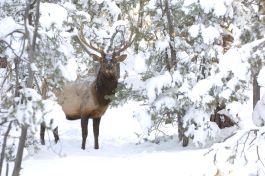
Arizona Game and Fish is currently accepting applications for the 2020 Elk and Pronghorn hunts. Make sure you apply for the drawings before the deadline on Tuesday, Feb. 11, 2020 at 11:59 pm.
The permits-tags are issued through a drawing. This means you need to apply at azgfd.com/hunting/draw/ in order to get your chance at a tag.
You can see the 2020 Pronghorn, Elk & Raptor Capture Hunt Draw Information booklet online here for updated regulations.
Once you draw out for your tag, contact me at marco@barshuntingservice.com or on my cell at 928-821-1192 and let's talk about what I can do to help you in the field.
SPECIALIZED UNITS:
The Benefits of Hiring a Hunt Scout in Arizona
More hunters travel to Arizona every year, and many spend years building bonus points for a single tag. When you finally draw, the biggest question is simple: where are the animals? That’s the question a hunt scout answers.
What Does a Hunt Scout Do?
A scout does the fieldwork before your season opens. At Bars Hunting Service, Marco Firriolo spends the summer and fall in the units his hunters have drawn, glassing and tracking animals to learn where they feed, water, bed and travel. By the time your hunt starts, that homework is already done.
Marco has hunted Arizona since 1991, has more than 40 years of hunting experience, and has scouted Arizona big game for other hunters since 2002.
The Benefits of Hiring a Hunt Scout
- You don’t spend your tag learning the country. Arizona units are big and rugged. A scout narrows them down before you arrive.
- Current information, not old maps. Water, feed and animal movement change every year. Scouting tells you what’s happening this season.
- More time in the right places. Less time glassing empty country means more real opportunities.
- Local knowledge of the units. Terrain, access and how animals move once hunting pressure starts.
- Help before you apply. A scout who knows the units can help you weigh your hunt choices before the draw.
- Fair chase. Marco doesn’t bait or lure animals. He learns their natural patterns by watching them.
- A small client list. Marco takes on a limited number of hunters each season so every hunt gets the scouting time it needs.
- Affordable packages. Rates for each species are listed on the site, with camp-included options.
Who Should Hire a Scout?
- Nonresidents who can’t spend time in their unit before the season
- First-time Arizona hunters
- Hunters who drew a unit they’ve never seen
- Anyone who waited years for a tag and doesn’t want to waste it
Species We Scout
Bars Hunting Service scouts statewide for elk, mule deer and Coues whitetail, antelope, black bear, mountain lion, javelina, turkey and waterfowl. Each page covers seasons, how to apply and rates.
Drew an Arizona tag? Email marco@barshuntingservice.com or call 928-821-1192 to talk about your unit.