Why Scouting Before the Hunt Is Just as Important as the Hunt Itself
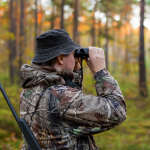
Ask any experienced big game hunter what separates a successful trip from a frustrating one and you’ll hear the same answer more often than not: preparation. Specifically, what happened before the hunt ever started.
Scouting doesn’t get nearly the attention it deserves. Hunters spend hours researching gear, dialing in their rifles, and studying unit maps, but the actual time spent learning the land before opening day gets treated as optional. It isn’t.
For big game hunting in Arizona, where the terrain is demanding and the animals are pressured, scouting is often the deciding factor between seeing game and not seeing it at all. Here’s why it matters so much, and what good scouting actually looks like.
The Land Tells You Things a Map Never Will
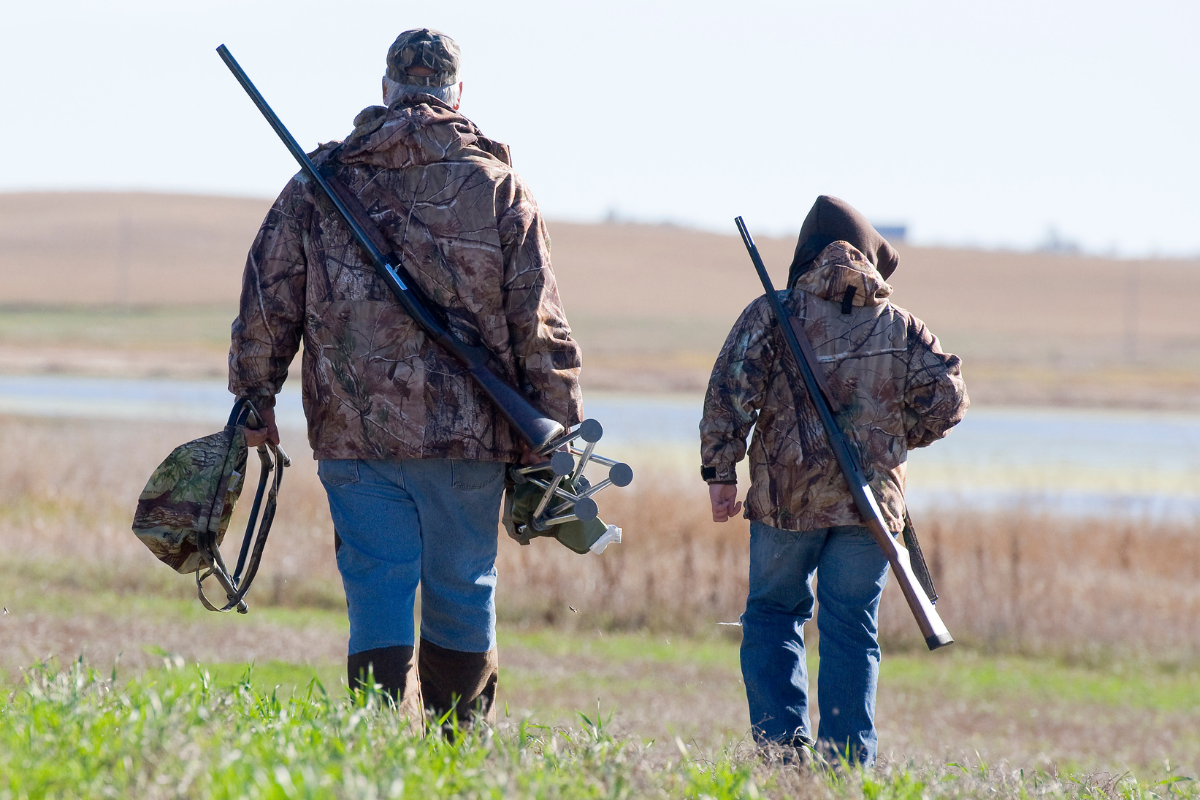
Satellite images and topographic maps are useful starting points. They help you identify water sources, terrain features, and likely travel corridors before you ever set foot in a unit. But they only take you so far.
There is no substitute for boots on the ground. Time spent physically walking the land before the season opens gives you information you simply cannot get any other way. How the wind moves through a canyon. Where the shade holds in the afternoon heat. Which water sources are actually being used versus which ones are dry. Where animals are moving and how they’re using the terrain in relation to pressure, food, and cover.
A map shows you the shape of the land. Scouting shows you how animals live on it. Those are two very different things, and only one of them puts you in position to make good decisions when it counts.
You Learn Where Animals Actually Are, Not Where They Should Be
One of the most common mistakes hunters make is assuming animals will be where the habitat suggests they should be. Sometimes that’s true. Often it isn’t. Animals respond to pressure, weather patterns, food availability, and terrain in ways that don’t always match what looks good on paper.
Scouting before the season tells you where animals are actually spending their time right now. Fresh tracks, water sources being used, feeding areas, bedding cover, travel routes between the two. This isn’t information you can guess at or pull from last year’s hunt. It’s current, on-the-ground intelligence that directly shapes your plan for opening day.
The hunters who walk in with that knowledge have a fundamentally different experience than the ones who show up and start figuring it out from scratch.
It Helps You Understand the Terrain Before You’re Tired
There’s a reason experienced hunters talk about knowing their unit the way they know their own neighborhood. When you’ve walked the ground ahead of time, you’re not burning energy on opening day just orienting yourself. You already know which ridges are worth climbing, which drainages funnel animals through, and where the terrain gets technical.
That matters more than people realize. Big game hunting in Arizona is physically demanding. The high-country elk units are steep and unforgiving. The desert units have their own challenges in terms of heat, limited water, and open country that requires long hours on glass. When you’ve already put time into the unit before the season opens, you’re hunting smarter from day one instead of spending the first two days learning country you should have learned months earlier.
Scouting Reveals Details That Change Your Strategy
Good scouting isn’t just about finding animals. It’s about building a complete picture of how to hunt them. Where other hunters are likely to be. Which access points see the most pressure. Where the quiet corners of a unit are that most people walk past.
Pressure is a real factor in Arizona’s most popular units. Animals that get pushed early in the season move, change their patterns, and become harder to find. Knowing the unit well enough to anticipate where pressured animals go is a significant advantage. That knowledge comes from time spent in the field before anyone else shows up.
Scouting also tells you things about logistics. Where to camp, how long approaches actually take on foot versus how they look on a map, where the terrain is going to limit your options. These are the details that turn a rough plan into a workable one.
It’s Ongoing, Not a One-Time Effort
The most effective scouting isn’t a single trip you take a week before opening day. It’s a process that builds over time. Different seasons reveal different things. Early summer shows you where animals are feeding and what the water situation looks like. Later in the summer you start seeing patterns develop. By the time the season opens, a hunter who has been paying attention has a layered understanding of the unit that a single scouting trip can’t replicate.
This is also why local knowledge matters so much. Someone who has hunted a unit across multiple seasons carries information that simply isn’t available anywhere else. They’ve seen how animals use the land across different conditions, different years, and different levels of hunting pressure. That depth of knowledge is one of the most valuable things a good guide brings to a hunt.
What This Means When You Hire a Guide
When you book a guided hunt, you’re not just hiring someone to walk alongside you in the field. You’re hiring someone whose preparation started long before you arrived.
A guide who takes scouting seriously has already been out in the unit before your hunt date. They’ve located animals, confirmed water sources, identified approach routes, and built a plan based on current conditions rather than last year’s memory. That work is invisible to the client but it’s what makes the difference between a guide who puts you in position to succeed and one who is figuring it out alongside you.
Before you book with anyone, ask them directly about their scouting process. What do they do before the hunt? How recently have they been in the unit? What have they seen? A guide who can answer those questions specifically and in detail is a guide who takes preparation seriously.
At Bars Hunting Service, scouting every unit before accepting a hunt has been part of the process since 2002. Every client benefits from that preparation before they ever set foot in the field.
The Bottom Line
Success in the field is rarely accidental. The hunters who find game consistently, year after year, are the ones who put in the work before the season opens. They know the land. They know where the animals are. They’ve done the homework that most hunters skip.
Scouting is that homework. It’s unglamorous, it takes time, and it doesn’t come with the adrenaline of opening day. But it’s what makes opening day worthwhile.
If you’re planning a big game hunt in Arizona and want to talk through what real preparation looks like, reach out to Bars Hunting Service directly at marco@barshuntingservice.com or by phone at 928-821-1192. Marco has been guiding Arizona big game hunts since 2002 and is happy to walk you through what a properly scouted hunt actually looks like.
