Blog
First Arizona Hunt? What to Expect When You Hire a Scout
Hiring a hunt scout for the first time is a bigger decision than most people expect. You’re trusting someone with what could be the most memorable outdoor experience of your life. You’re putting real money on the table. And if you’ve never done it before, you probably have questions you don’t even know how to phrase yet.
That’s fine. It’s actually part of the process. Here’s a straightforward look at what to expect: before you book, during the hunt, and everything in between.
The First Call Tells You a Lot
Before any boots hit the ground, there’s a conversation. That conversation matters more than people realize. A good scout picks up the phone. They ask about your experience level, your physical condition, what you’re after, and what a successful trip looks like to you. They’re not rushing you through a booking form. They’re genuinely figuring out whether they can put you in a position to succeed.
Pay attention to how that call feels. Does the scout answer your questions directly? Do they talk specifically about the units they scout, the animals they’ve seen, the terrain you’ll be covering? Vague answers and a hard sell are both red flags worth taking seriously. It’s also worth confirming who will actually be doing the scouting. Some operations book through one person and send out another. Know who is scouting your unit before you commit.
Nobody Can Promise You a Kill
This is the part nobody likes to hear, but it needs to be said. No honest scout can guarantee you a dead animal on a fair-chase hunt. Anyone making that promise is overselling. Walk away.
What a good scout can deliver is preparation. They’ve been out in your unit long before you arrive. They know where the water is, where the animals are moving, and how the wind typically runs through the terrain you’ll be hunting. When an opportunity comes, you’re in the right place because of work that happened long before you showed up.
For a first-timer, especially, the goal isn’t only filling a tag. Every day in the field teaches you something that sticks in a way that’s hard to explain until you’ve lived it. The hunters who come back year after year usually treat that first hunt as an education rather than a simple transaction.
Your Body Has to Show Up Ready
Arizona terrain doesn’t give you much grace. Whether you’re chasing elk in the high country or working the desert for mule deer, you’re going to cover ground on foot. Elevation changes, rocky footing, and long hours glassing a hillside add up over a multi-day hunt in ways that genuinely surprise people who weren’t prepared.
Start conditioning before your hunt date. Walk with a loaded pack. Get on hills if you can. The hunters who struggle most out in the field aren’t usually the ones who can’t shoot; they’re the ones who underestimated the physical demands. Showing up fit means you can focus on the hunt instead of just getting through the day.
Shoot Your Weapon Before You Leave Home
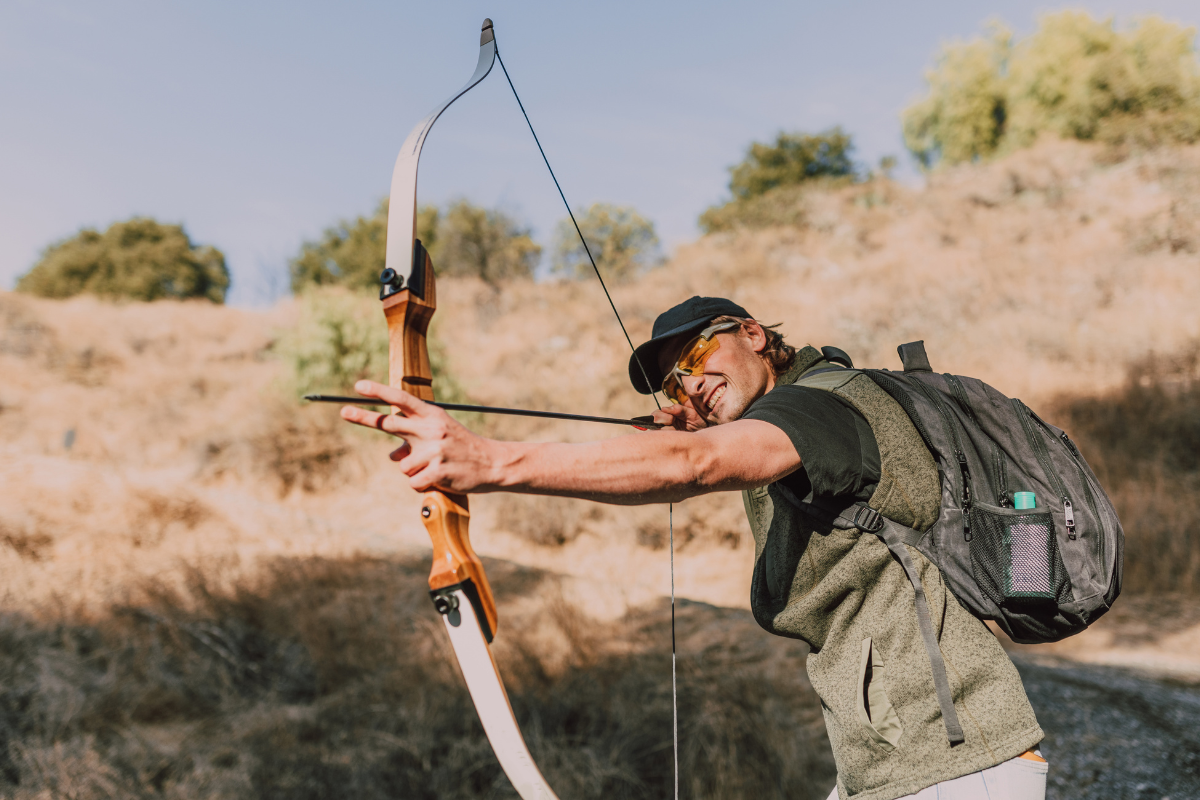
Whatever you’re hunting with, put time in at the range before you go. Shooting under real pressure in the field is a different experience from shooting at a stationary target on a calm afternoon. Confidence with a weapon comes from repetition, and that repetition needs to happen before the hunt, not during it.
This is especially true for archery hunters. Shot opportunities in the field can come fast, at awkward angles, with very little warning. If you haven’t drawn a bow in months, your muscles will let you know at exactly the wrong moment. Shoot from your knees, from odd positions, with your heart rate up. Make the mechanics automatic.
Ask for References and Actually Use Them
Any scout worth hiring will connect you with past clients without hesitation. Don’t skip that step. A five-minute conversation with someone who has actually used your scout tells you more than any website ever will.
Ask directly: did the scout deliver what they promised? Was the scouting real? How did they handle the slow days when nothing was moving? Would they book again? Most reputable scouting services keep a references page or can point you to past clients on request. Follow through on contacting them. It takes very little time and can save you from a disappointing experience.
What the Days Actually Look Like
Most hunts start before first light. You’re up early, moving into position while it’s still dark, trying to be in place before the animals start their morning movement. Then comes a lot of glassing. A lot of waiting. Hunting rewards patience, and impatience is one of the fastest ways to burn a good opportunity.
Good hunters read the environment constantly: wind direction, animal behavior, and how pressure has shifted across the terrain. Use what your scout learned before the season, stay quiet, and adjust as conditions change. The hunters who have the best experiences are the ones who stay patient and present through the long stretches between action.
Pack layers. Bring more water than you think you need. And let go of any expectations around comfort. You’re not supposed to be cozy out there.
What It All Comes Down To
Hiring a scout is one of the best investments a hunter can make, especially in a state as demanding and diverse as Arizona. You’re putting decades of local knowledge and field experience directly to work on your behalf.
But your part matters too. Ask questions before you book. Check references and follow through on calling them. Know exactly who is scouting your unit. Show up physically ready and open to learning. Do those things, and the experience tends to take care of itself.
Bars Hunting Service has scouted Arizona big game for hunters since 2002, with scouting packages available for elk, bear, deer, antelope, mountain lion, javelina, turkey, and waterfowl. To learn more or talk through what hunt makes sense for you, reach out directly at marco@barshuntingservice.com or give a call at 928-821-1192
Draw results for the 2020 elk and antelope hunts are going to be decided soon!
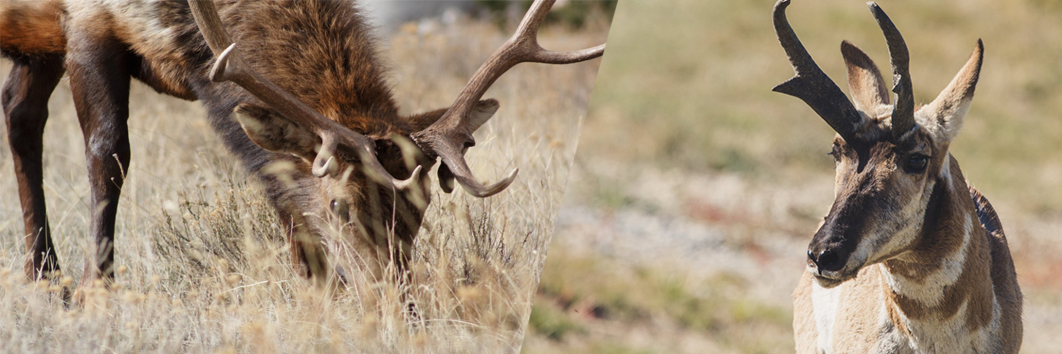
Draw results for the 2020 elk and antelope hunts are going to be decided soon!
A little trick not everyone knows is that on Friday, February 28th, 2020, just after midnight, those of us who were successful in the 2020 elk and antelope drawing in Arizona should start seeing charges hitting your credit card.
Getting a charge on your card that is roughly for the same amount as the tag is going to be a good indicator that you were successful in this year's drawing. Not every charge that morning is going to mean you were picked for a tag, but it is still a pretty good indicator.
Once you get final verification that you were selected for a tag, reach out to me. Let's talk about your options and what I can do to help you this year. I have been hunting in Arizona for 40 years and started scouting for other hunters in 2002. Give me a call at 928-821-1192 or email me at marco@barshuntingservice.com.
I look forward to speaking with you.